

Views: 0 Author: Site Editor Publish Time: 2026-01-15 Origin: Site


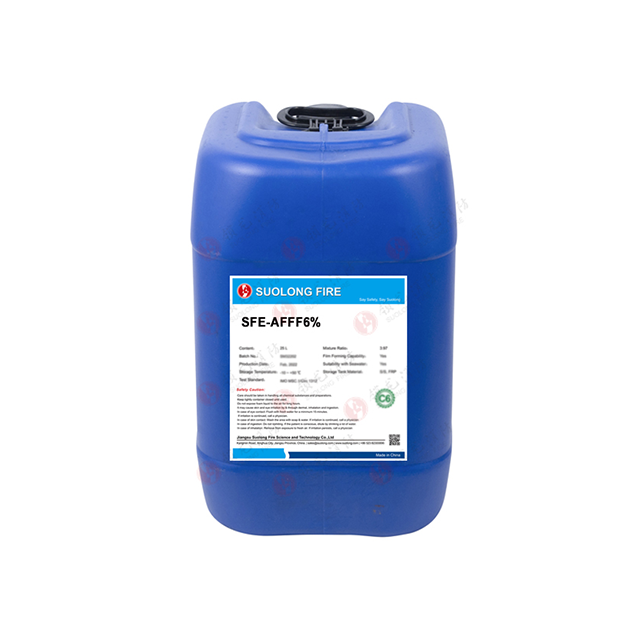
Fluorine Free Foam represents a revolutionary advancement in fire suppression technology that completely removes the need for toxic PFAS chemicals by utilizing a blend of hydrocarbon surfactants and advanced stabilizers to create a thick, heat-resistant blanket that suppresses Class B fires. By adopting fluorine free firefighting foam, organizations can achieve high-performance fire extinguishment that is fully biodegradable and environmentally responsible, effectively eliminating the risk of long-term soil and groundwater contamination while meeting the strictest global regulatory standards.
The transition to Fluorine Free Foam is not just an environmental choice; it is a critical business decision for B2B entities looking to future-proof their operations. As we move into 2026, the liability associated with PFAS contamination continues to grow, making the switch to synthetic fluorine free foam a priority for facility managers, safety officers, and procurement specialists. This article provides a comprehensive deep dive into the technical mechanics, environmental benefits, and operational considerations of moving toward a fluorine-free future.
What Is Fluorine Free Foam Technology?
Why Is the Industry Moving Away from PFAS in Fire Extinguishers?
Industry Perspectives: Competitive Insights on the PFAS Transition
Technical Performance: Fluorine Free Foam vs. Traditional AFFF
Environmental Impact and Biodegradability Standards
Transitioning Your Facility to Synthetic Fluorine Free Foam
Summary: The Future of PFAS-Free Fire Protection
Fluorine Free Foam is a specially engineered fire suppression concentrate that relies on synthetic hydrocarbon surfactants and organic polymers to create a stable, aqueous foam blanket that suppresses vapors and extinguishes fires without using any fluorinated chemicals.
Technically speaking, Fluorine Free Foam achieves its extinguishing power through a "blanket" effect rather than the "film-forming" action associated with traditional AFFF. When fluorine free firefighting foam is discharged, it creates a voluminous, air-filled structure that sits on top of the flammable liquid. This mass of bubbles excludes oxygen and cools the fuel surface simultaneously. Because synthetic fluorine free foam does not have the benefit of a fluorinated film to seal vapors, the quality of the foam structure—its expansion ratio and stability—is paramount.
The chemistry behind high-quality synthetic fluorine free foam involves a complex cocktail of biodegradable ingredients. These include hydrocarbon surfactants that reduce the surface tension of water to allow foaming, and polysaccharides or other stabilizers that give the foam its "toughness" against intense radiant heat. In many ways, Fluorine Free Foam is a more sophisticated product than AFFF because it must be carefully tuned to resist fuel-pickup (where the fuel contaminates the foam) and maintain its integrity for long periods during burn-back tests.
For B2B applications, Fluorine Free Foam is often categorized into different grades depending on the hazard. Some are specifically designed for hydrocarbon fuels like gasoline and diesel, while others are "Alcohol Resistant" (AR) versions capable of handling polar solvents such as ethanol and acetone. The versatility of modern synthetic fluorine free foam ensures that petrochemical plants, marine terminals, and logistics centers can protect all their diverse hazards with a single, environmentally safe chemical platform.
The industry is shifting away from PFAS in fire extinguishers because these chemicals are environmentally persistent, bioaccumulative, and have been linked to severe health issues, leading to strict international bans and a surge in corporate environmental liability.
PFAS chemicals are defined by the carbon-fluorine bond, which is one of the strongest in organic chemistry. This means that when traditional AFFF is used, the chemicals never truly disappear; they migrate through the soil and into the water table, where they can remain for centuries. By choosing Fluorine Free Foam, organizations prevent the creation of "legacy sites" that require millions of dollars in remediation. The move to fluorine free firefighting foam is a proactive response to the legal reality that the use of PFAS is being restricted in jurisdictions across the US, Europe, and Asia.
From a health and safety perspective, the transition to synthetic fluorine free foam is a duty of care to firefighters and industrial workers. Exposure to PFAS has been linked by health organizations to various cancers, immune system disruption, and developmental issues. Utilizing Fluorine Free Foam in fire extinguishers and suppression systems ensures that first responders are not exposed to toxic aerosols during training or emergency response. This human-centric approach is a key pillar of modern ESG (Environmental, Social, and Governance) strategies within the B2B sector.
The financial risk of maintaining PFAS-based systems is also a major driver. Insurance companies are increasingly hesitant to cover facilities that store or use fluorinated foams due to the high risk of environmental litigation. Switching to Fluorine Free Foam not only aligns a company with sustainability goals but also safeguards its financial stability. As synthetic fluorine free foam becomes the industry standard, the cost of disposing of old PFAS stocks continues to rise, making an early transition to fluorine free firefighting foam the most cost-effective long-term strategy for risk management.
Leading industry platforms have provided diverse viewpoints on how the transition to fluorine-free technology should be managed, highlighting the importance of both chemical safety and operational reliability.
Huvo Platform: This source emphasizes the "Total Cost of Ownership" perspective. Their viewpoint is that while Fluorine Free Foam might have a different price point than traditional AFFF, the removal of PFAS removes the "hidden costs" of environmental clean-up and hazardous waste disposal. They advocate for a rapid switch to fluorine free firefighting foam to stay ahead of the UK and EU regulatory curve, noting that PFAS-free extinguishers are now high-performing enough to replace legacy models in almost all commercial settings.
JLA Platform: This organization focuses heavily on the "Safety First" approach. Their insights suggest that the transition to synthetic fluorine free foam requires a thorough assessment of the fire risks involved. They point out that while Fluorine Free Foam is the future, the "blanket stability" of these foams means that firefighters must be trained on new application techniques, as the foam doesn't "self-heal" as easily as the old film-forming versions. Their perspective is that education is just as important as the chemical switch.
Suolong Fire Platform: As a specialized manufacturer of synthetic fluorine free foam, this platform highlights technical parity. Their data indicates that modern Fluorine Free Foam can achieve "1A/1A" ratings on international fire tests, proving that sustainability does not have to come at the expense of fire suppression speed. They focus on providing a "Multi-Purpose" fluorine free firefighting foam that works across various fuel types, simplifying the inventory for large-scale industrial B2B clients.
While Fluorine Free Foam differs technically from AFFF by relying on a stable mass of bubbles rather than a thin chemical film, modern formulations achieve comparable knockdown times and superior burn-back resistance when used with the correct equipment.
The most significant technical difference is the "Extinguishing Mechanism." AFFF was designed for speed; the fluorinated film would race ahead of the foam to seal the fire. Fluorine Free Foam is more of a "Powerhouse" in terms of physical coverage. When synthetic fluorine free foam is applied, it builds a cohesive, heavy-duty layer that is incredibly resistant to the heat of the flames. This "Heat Resistance" is often higher in fluorine free firefighting foam than in AFFF, which can sometimes "break" under the intense thermal radiation of a petrochemical fire.
To achieve the best results with Fluorine Free Foam, aeration is key. While AFFF could sometimes be used with non-aspirating nozzles, synthetic fluorine free foam performs exponentially better when used with air-aspirating discharge devices. These devices pull air into the liquid stream, creating a fluffier, more stable foam. This change in "Expansion Ratio" is what allows fluorine free firefighting foam to provide the same level of safety as older technologies. When properly expanded, the Fluorine Free Foam blanket is a formidable barrier against vapor release.
| Feature | Traditional AFFF | Fluorine Free Foam (SFFF) |
| Chemical Basis | PFAS / Fluorosurfactants | Hydrocarbon Surfactants |
| Mechanism | Aqueous Film + Foam | Thick, Cohesive Foam Blanket |
| Expansion Ratio | Low to Moderate | High (with aspiration) |
| Knockdown Speed | Very Fast | Fast |
| Burn-back Resistance | Good | Excellent |
| Environmental Profile | Persistent / Toxic | 100% Biodegradable |
| Viscosity | Low | Variable (often higher) |
As shown in the table above, the transition to synthetic fluorine free foam often requires a look at "Viscosity." Some Fluorine Free Foam concentrates are thicker than their AFFF predecessors. This means that in fixed systems, the proportioning equipment (like inductors or pumps) might need to be checked to ensure it can still draw the correct 1% or 3% concentration of fluorine free firefighting foam. This technical audit is a standard part of a B2B transition plan to ensure that the hardware and the chemistry are perfectly matched for maximum fire safety.
The defining characteristic of Fluorine Free Foam is its minimal environmental footprint, as it is designed to be broken down by naturally occurring microorganisms within days or weeks, rather than persisting for centuries.
The term "Biodegradable" is strictly defined in the context of synthetic fluorine free foam. High-quality products undergo OECD 301 testing, which measures the rate at which the carbon in the foam is converted into CO2 by bacteria. Most Fluorine Free Foam concentrates achieve over 90% biodegradation within 28 days. This is a stark contrast to PFAS-based foams, which have zero percent biodegradation. This means that after an incident, the cleanup of fluorine free firefighting foam is significantly less burdensome on local ecosystems and water treatment facilities.
However, "Fluorine-Free" doesn't just mean a lack of PFAS. It also implies that the synthetic fluorine free foam has low toxicity to aquatic life. Manufacturers of fluorine free firefighting foam test their products against fish and daphnia (water fleas) to ensure that if runoff enters a stream, it won't cause immediate environmental collapse. This holistic approach to eco-safety is what makes Fluorine Free Foam the gold standard for facilities located near sensitive coastal areas or agricultural lands.
For B2B entities, the lack of environmental persistence also simplifies training. Many fire departments were forced to stop using AFFF for training because the runoff was contaminating their own fire stations. With synthetic fluorine free foam, training can resume more freely (subject to local wastewater regulations), ensuring that personnel are actually proficient with the equipment they will use in a real emergency. The transition to Fluorine Free Foam effectively removes the "fear of the cleanup" that has paralyzed the fire protection industry in recent years.
Transitioning to Fluorine Free Foam involves a rigorous process of system cleaning, equipment verification, and personnel training to ensure that no PFAS residue remains and that the new foam performs at its peak capacity.
The most critical step in the transition is the "Decontamination" of the existing hardware. Because PFAS molecules are designed to stick to surfaces, they "hide" inside tanks, pipes, and valves. If you simply pour Fluorine Free Foam into an old AFFF tank, it will become cross-contaminated. A professional transition to synthetic fluorine free foam involves specialized cleaning agents that strip the PFAS from the metal. Only then can the fresh fluorine free firefighting foam be loaded into the system, ensuring it meets the "Zero-PFAS" regulatory definition.
[Image showing step-by-step tank decontamination process]
Operational changes must also be addressed during the shift. Because synthetic fluorine free foam behaves differently than AFFF, the application technique—often referred to as the "bank-down" or "roll-on" method—becomes more important. Firefighters must be taught not to "plunge" the Fluorine Free Foam directly into the fuel, as this can submerge the foam and prevent it from forming the necessary blanket. Training with the new fluorine free firefighting foam ensures that the human element of fire protection is just as effective as the chemical element.
Risk Audit: Identify all Class B hazards and ensure the selected Fluorine Free Foam (Hydrocarbon or AR) is compatible.
System Flush: Use professional cleaning services to remove PFAS residue from all pipework and storage.
Equipment Check: Verify that the expansion ratios of your current nozzles are sufficient for synthetic fluorine free foam.
Proportioning Test: Conduct a "Commissioning Test" to ensure the foam is mixing at the correct ratio.
Staff Retraining: Hold live-fire or simulation training using the new fluorine free firefighting foam application techniques.
In conclusion, the rise of Fluorine Free Foam marks the end of an era of environmental compromise. The industry has proven that we no longer need toxic PFAS chemicals to protect our high-value assets. By embracing synthetic fluorine free foam, businesses are choosing a path that is safer for their employees, their communities, and the planet. We have moved from a "film-forming" past to a "stable blanket" future where fire suppression is both high-performing and ecologically sustainable.
The transition to fluorine free firefighting foam is more than just a chemical swap; it is an upgrade to a modern, responsible fire protection strategy. While the implementation requires careful planning and a technical audit of existing hardware, the long-term benefits of regulatory compliance and reduced liability are undeniable. As synthetic fluorine free foam technology continues to advance, it will remain the cornerstone of industrial fire safety for decades to come.